European Cybersecurity Fest: From CyberHubs to the future of the cybersecurity skills ecosystem
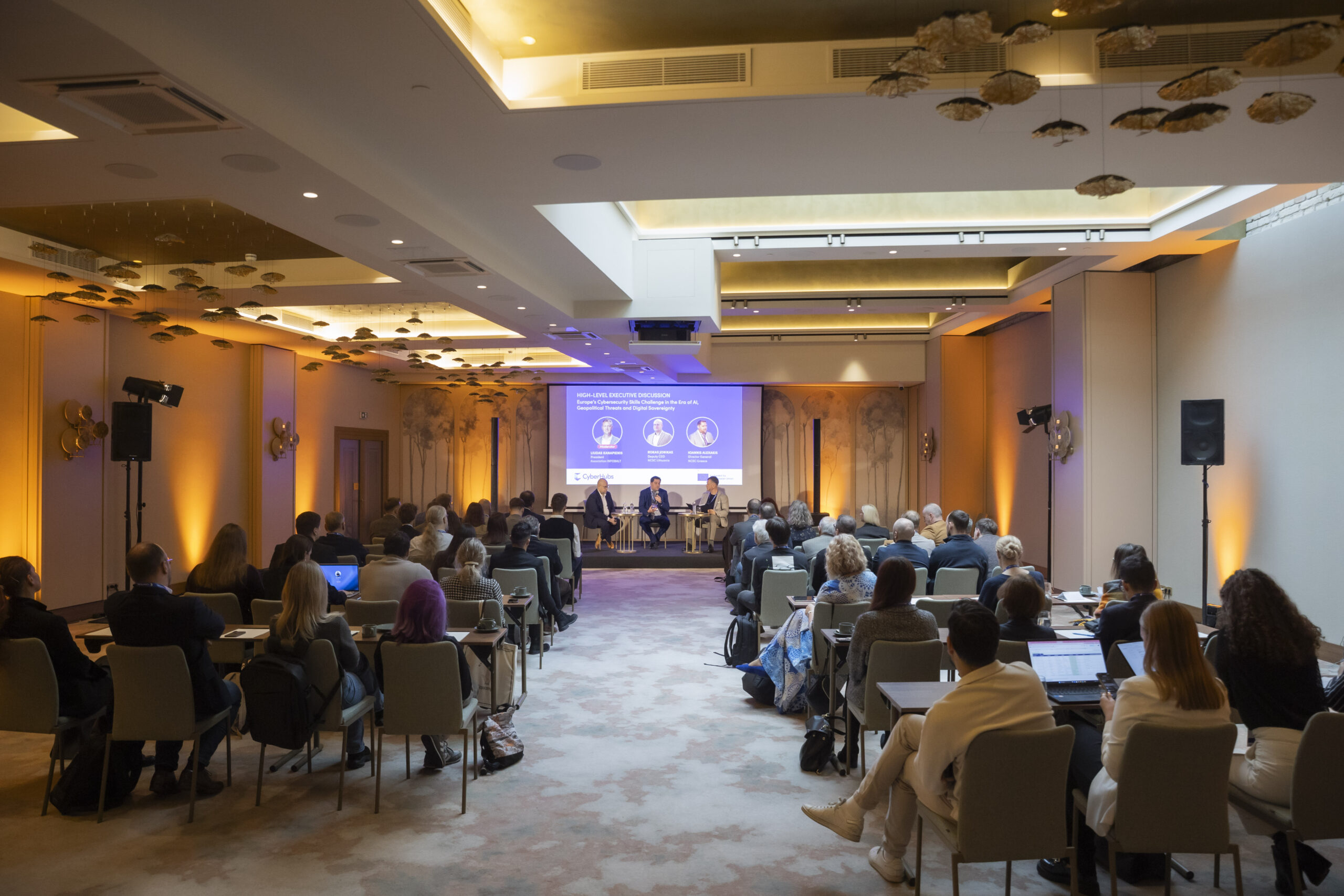
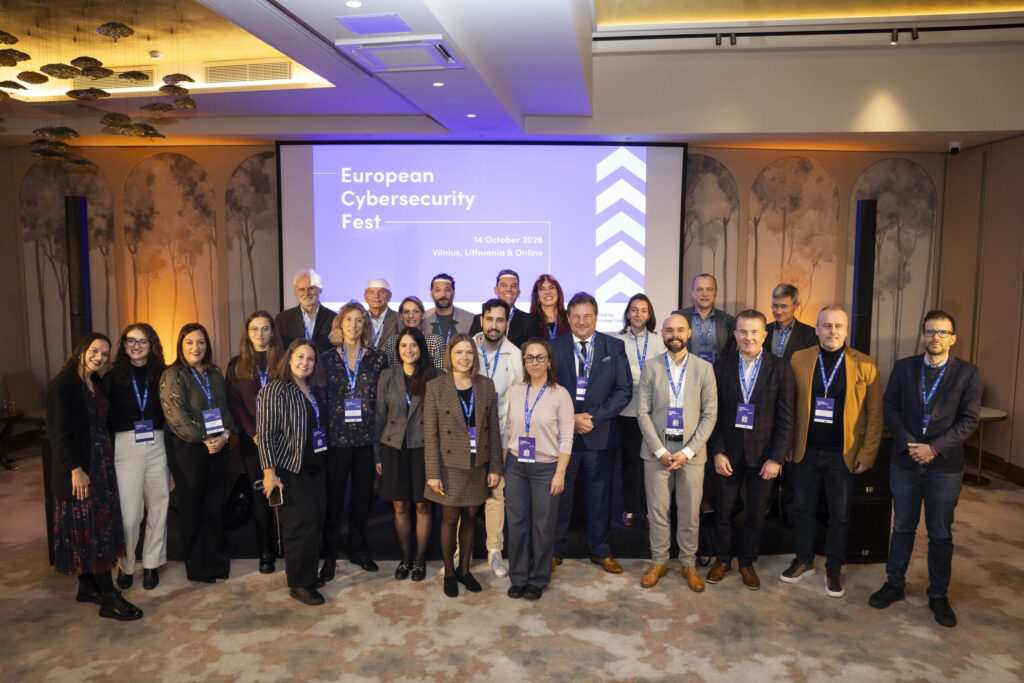
The European Cybersecurity Fest brought together cybersecurity stakeholders from across Europe, both in Vilnius, Lithuania, and online, on 14 October 2026 to share key lessons learned from the CyberHubs network and explore how these insights can help shape the future of Europe’s cybersecurity skills ecosystem.
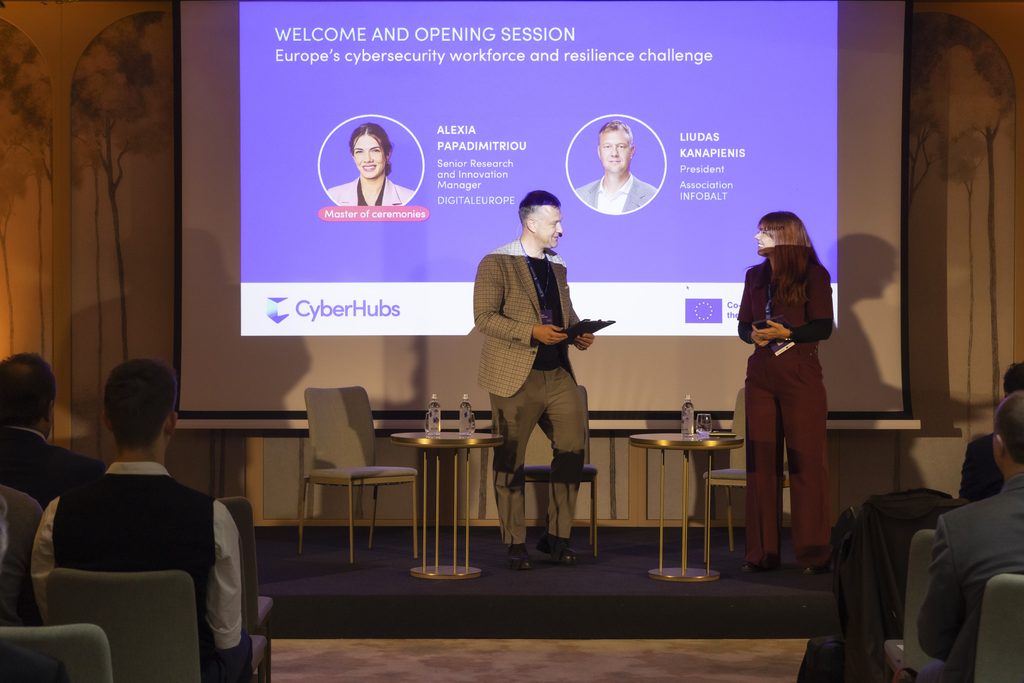
Alexia Papadimitriou, Senior Research and Innovation Manager, DIGITALEUROPE and Liudas Kanapienis, President, Association INFOBALT welcomed the audience on behalf of the CyberHubs consortium.
They highlighted that cybersecurity is no longer merely an ambition but an integral part of our everyday lives. As the boundaries between physical and digital security become increasingly blurred, ensuring cybersecurity is no longer just an individual responsibility but a shared European responsibility.
CyberHubs is an example of how collaboration can raise awareness, encourage engagement and strengthen cybersecurity resilience across Europe. No single organisation or country can build cyber resilience alone and Europe must work together as one team. This spirit of collective action and shared responsibility lied at the heart of the European Cybersecurity Fest.
Europe’s Cybersecurity Skills Challenge in the Era of AI, Geopolitical Threats and Digital Sovereignty
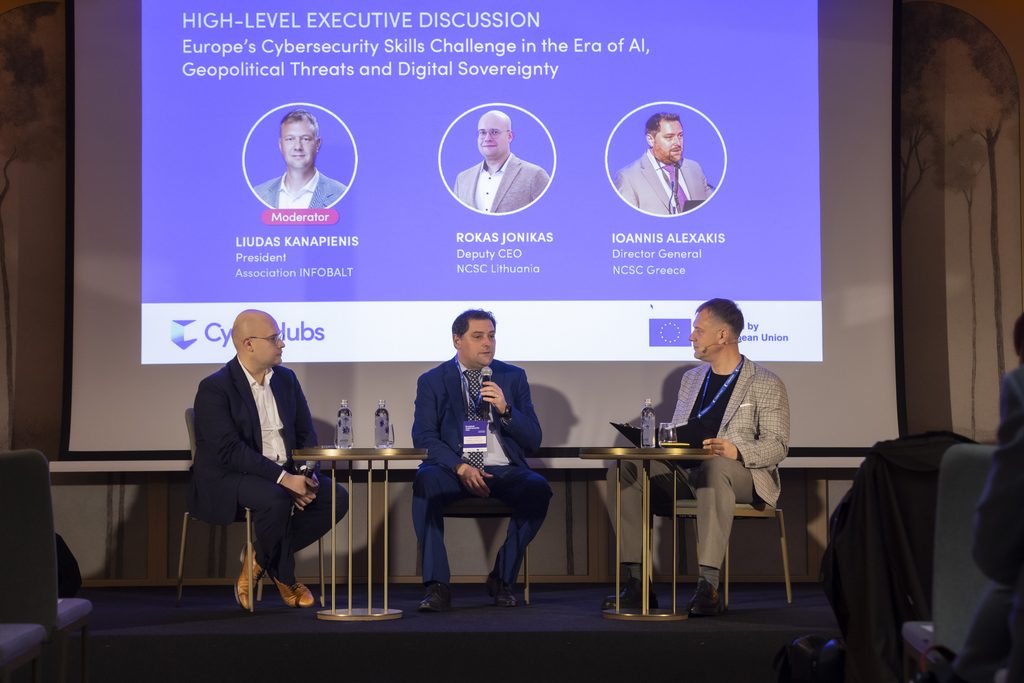
Rokas Jonikas, Deputy CEO, NCSC Lithuania and Ioannis Alexakis, Director for Cyber Security Strategic Planning at the National Cybersecurity Authority Ministry of Digital Governance of Greece (NCSC Greece) came to the stage for a high-level executive discussion moderated by Liudas Kanapienis, President, Association INFOBALT.
The discussion focused on the cybersecurity skills gap at European and national levels, the benefits and challenges of regulation, the need to adapt to the rapidly evolving cyber threat landscape, the impact of AI on cybersecurity, and the importance of cross-sector and international collaboration in strengthening Europe’s cybersecurity workforce.
Key takeaways from the discussion included:
- Addressing the cybersecurity skills gap: Cybersecurity skills shortages remain a major challenge at both national and European levels. Attracting new talent to the field continues to be difficult, while cybersecurity capabilities need to be strengthened across all domains.
- Balancing regulatory requirements and opportunities: The introduction of numerous cybersecurity requirements across different sectors within a short period has increased demand for specialised expertise, further widening the skills gap. At the same time, regulations provide valuable guidance and tools to help organisations strengthen their cybersecurity capabilities.
- Rethinking cybersecurity education and skills development: Educational institutions alone cannot produce professionals with the depth and breadth of expertise increasingly expected by employers within just a few years, particularly given the rapid evolution of AI. There is a need for a shift in mindset, recognising that cybersecurity professionals require not only technical expertise but also an understanding of different domains.
- Adapting to AI-driven and geopolitical threats: As AI accelerates cyberattacks, defensive capabilities must evolve accordingly. We should always keep in mind the geopolitical implications of cybersecurity, in reference to the recent cyber attack targeting supermarket refrigeration systems in France as an example of how cyber incidents could potentially disrupt food supplies during conflicts.
- Strengthening European cooperation: Fragmentation and insufficient cooperation across countries and sectors continue to hinder the development of a coordinated European approach to cybersecurity. We need stronger cross-border and cross-sector collaboration, alongside concerted efforts to expand Europe’s cybersecurity workforce.
- Building on existing initiatives: Initiatives that foster international cooperation, such as Locked Shields, and a single gateway for cybersecurity skills development, such as Cybersecurity Skills Academy are key to success.
Addressing Europe’s Cybersecurity Skills Gap: From National to European Action
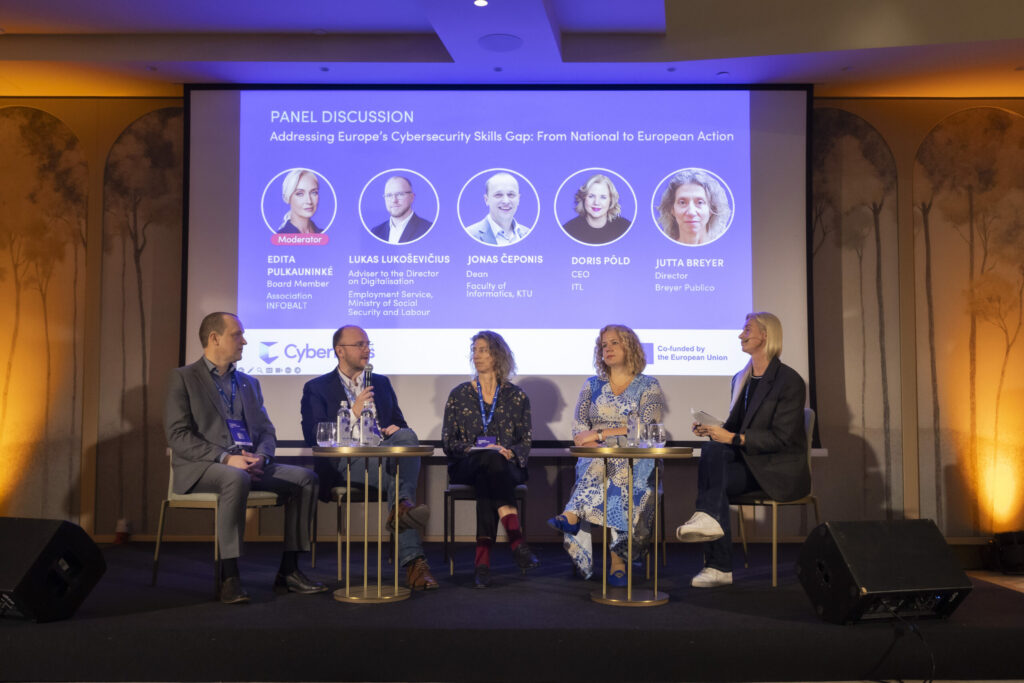
The programme continued with a panel discussion moderated by Edita Pulkauninkė, Board Member, Association INFOBALT, with speakers representing education, policy and industry: Lukas Lukoševičius, Adviser to the Director on Digitalisation, Employment Service under the Ministry of Social Security and Labour, Lithuania, Jonas Čeponis, Dean, Faculty of Informatics, KTU, Doris Põld, CEO, ITL and Jutta Breyer, Director, Breyer Publico.
The panel highlighted the need to address cybersecurity skills shortages through a combination of education, upskilling, more inclusive recruitment practices, and cross-sector collaboration.
Key takeaways from the discussion included:
- Addressing skills shortages and upskilling needs: Companies are often reluctant to publicly acknowledge their cybersecurity skills gaps due to the stigma associated with doing so. These shortages affect different levels of expertise, from junior professionals to senior specialists. Upskilling the existing workforce is key, particularly by combining sector-specific knowledge with cybersecurity expertise.
- Rethinking education and recruitment practices: Universities cannot be expected to fully prepare students for the rapidly evolving cybersecurity landscape during their studies. And at the same time, companies also need to reconsider their expectations regarding candidates’ educational backgrounds and previous experience. Cybersecurity is a broad field requiring diverse skill sets and employers should adopt more flexible recruitment approaches to attract talent from different backgrounds.
- Recognising cybersecurity as a business priority: Companies outside the IT sector may be hesitant to invest in cybersecurity due to financial constraints or a reluctance to acknowledge their vulnerabilities. Cybersecurity risk management is not solely a technical issue but also a business priority. There’s a need to address communication gaps between cybersecurity professionals and business leaders to foster greater understanding and cooperation.
- Leveraging regulation to strengthen cybersecurity capabilities: Regulation has an important role to play in encouraging organisations to develop the skills and expertise needed to improve cybersecurity. NIS2 is an example of how regulatory requirements can help companies identify skills gaps and take action to address them. Cybersecurity should be integrated across all levels of education and also in other educational programmes than merely technical disciplines.
- Promoting gender diversity in cybersecurity: Addressing gender biases and attracting more women into the cybersecurity workforce is important. Gendered language in job advertisements can discourage women from entering the field, leaving a significant pool of talent untapped. In light of geopolitical developments and evolving workforce needs, we need a greater recognition of women’s expertise and more inclusive recruitment practices.
From Strategy to Action:
CyberHubs in Practice
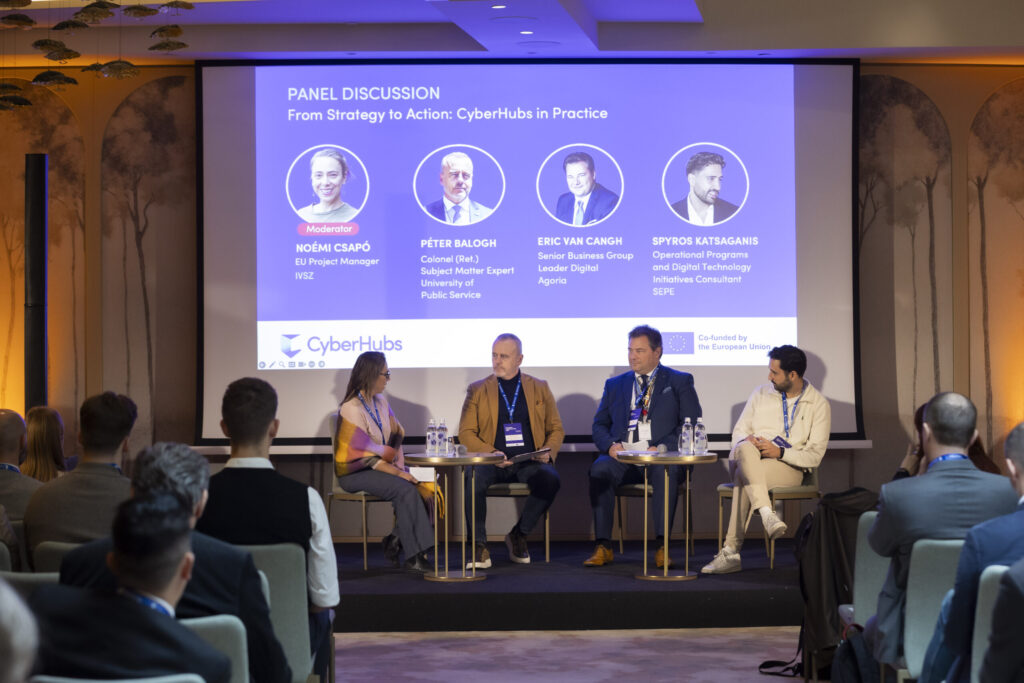
Péter Balogh, Subject Matter Expert, University of Public Service, Eric Van Cangh, Senior Business Group Leader Digital, Agoria and Spyros Katsaganis, Operational Programs and Digital Technology Initiatives Consultant, SEPE got together on the stage for a discussion moderated by Noémi Csapó, EU Project Manager, IVSZ.
The panel discussion shared insights from the CyberHubs Belgium, Greece and Hungary with several key takeaways:
- In Hungary, a hackathon brought together 75 participants from 17 countries to work on six challenges showing how participants with different skills could work together on practical problems. Belgium organised a two-day cybersecurity congress with 140 participants from 80 companies, covering cybersecurity training, career opportunities and defence-related skills. In Greece, 120 representatives from public and private hospitals attended sessions on cybersecurity risks and requirements.
- The speakers discussed the differences between education and labour market needs. In Greece, universities and companies worked together to identify required skills and introduce students to cybersecurity careers. Hungary organised career events, while Belgium developed practical training sessions showing the daily work of penetration testers and security operations centre staff. Cybersecurity also requires legal, communication, analytical and management skills: Examples from Locked Shields and the Budapest hackathon showed why teams need people from different professional backgrounds.
- The final discussion focused on future skills and the effects of AI on cybersecurity jobs. Technology changes faster than educational curricula and education should prepare people to learn new technologies, assess AI-generated information and adapt to unfamiliar problems. Critical thinking, communication and teamwork are necessary alongside technical knowledge. There is also a clear need for continuing education, including training for teachers and people already working in other IT roles.
Building a European Cybersecurity Skills Network: From National Hubs to Long-Term European Cooperation
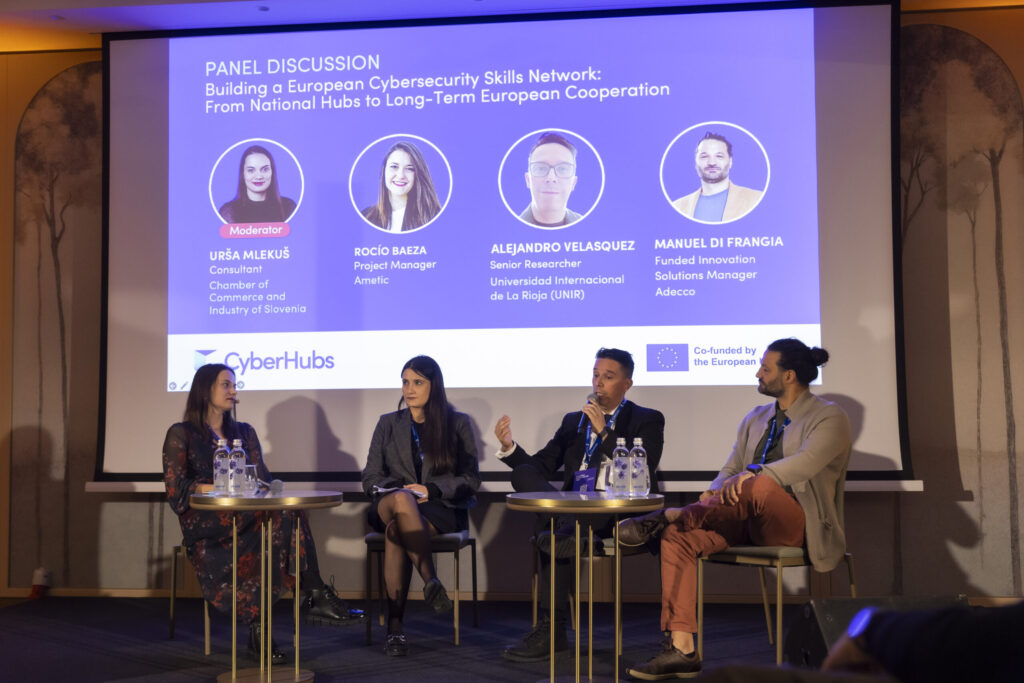
Rocío Baeza, Project Manager, Ametic, Alejandro Velasquez, Senior Researcher, Universidad Internacional de La Rioja (UNIR) and Manuel Di Frangia, Funded Innovation Solutions Manager, Adecco joined a panel discussion moderated by Urša Mlekuš, Consultant, Chamber of Commerce and Industry of Slovenia.
This panel discussion was an opportunity to look into the added value of establishing CyberHubs at national level for long-term European collaboration.
The main takeaways were:
- The needs analysis conducted by CyberHub Spain revealed significant shifts in cybersecurity trends over a two-year period. AI has transformed the cybersecurity landscape, not only in terms of emerging threats and vulnerabilities but also in the knowledge and skills required of cybersecurity professionals.
- CyberHub Slovenia spent efforts to introduce cybersecurity careers to primary and secondary school students, helping to raise awareness and spark interest in the field from an early age.
- The purpose of establishing new CyberHubs is not to add another layer to the cybersecurity ecosystem, but to connect existing stakeholders, initiatives and structures, fostering greater coordination and collaboration.
- Given the rapidly evolving cybersecurity landscape, particularly with the rise of AI, cross-border cooperation and knowledge exchange are more important than ever. Understanding developments in other countries can help stakeholders anticipate emerging challenges and prepare appropriate responses. As an example, the twinning activities carried out within the CyberHubs project enabled participating hubs to exchange good practices and learn from one another’s strategies. The connections established through CyberHubs should continue beyond the project’s conclusion to ensure sustained knowledge sharing and mutual support among cybersecurity experts across Europe.
- And finally, cybersecurity knows no national borders, the cooperation is key. The principle of “sharing is caring” will help us build a stronger and more resilient European cybersecurity ecosystem.
Summary Panel and Final Reflections: Sustaining Europe’s Cybersecurity Skills Ecosystem Beyond CyberHubs
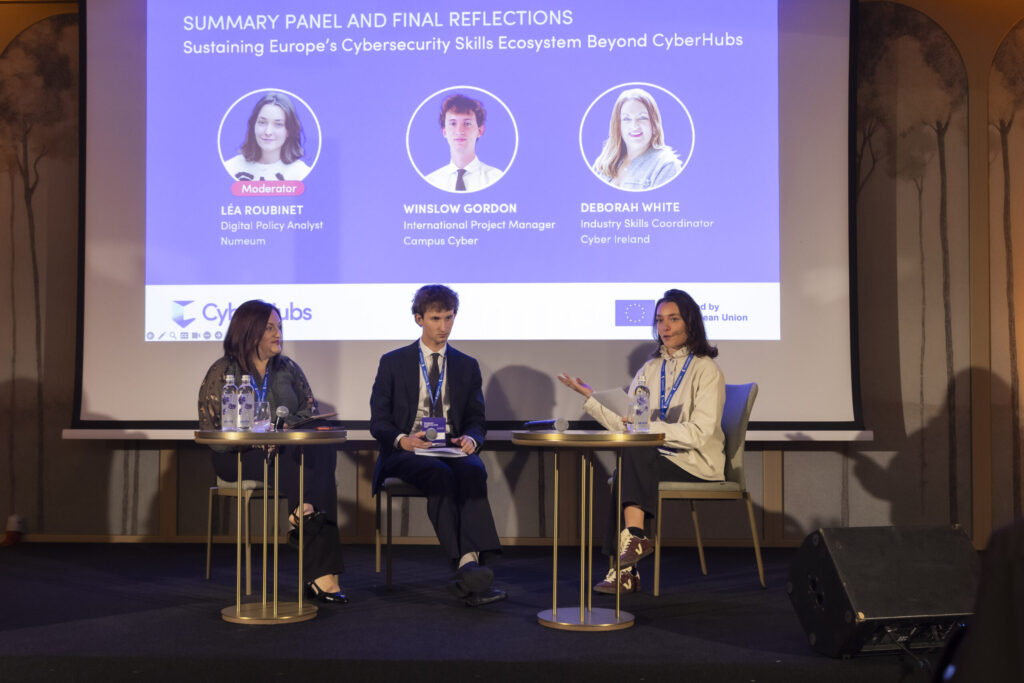
The discussion between Winslow Gordon, International Project Manager, Campus Cyber and Deborah White, Industry Skills Coordinator, Cyber Ireland moderated by Léa Roubinet, Digital Policy Analyst, Numeum focused on how the cooperation developed through CyberHubs could continue after the project ends:
- Deborah White described Cyber Ireland, a cluster with more than 220 members, including companies, universities, start-ups and public organisations. She presented a career event attended by approximately 500 students and 17 companies, where students could learn about cybersecurity jobs, internships and entry-level positions. Cyber Ireland also established working groups involving employers, educators, HR professionals and policymakers to identify skills needs and improve cooperation.
- Winslow Gordon described the development of Campus Cyber in France, bringing together companies, educational institutions, start-ups and public authorities. Career events connected students with employers and provided opportunities for internships and mentoring. Campus Cyber also works on common descriptions of cybersecurity roles and the skills required for them, including emerging areas such as cloud technologies and AI security.
- The discussion addressed the challenges of maintaining cooperation over time. Having a shared physical location does not automatically ensure continued interaction. Organisations need specific activities and common goals to remain involved. For example, Cyber Ireland uses working groups, conferences and community feedback to maintain contact between members. The national hubs operate in different environments, so their organisational models cannot simply be copied.
- The main takeaway was that existing partnerships, contacts and shared experience provide a sound basis for future activities without starting from scratch: Continued funding, regular cooperation and personal contacts are important for maintaining the results of CyberHubs. The speakers encouraged partners to remain connected after the project ends and to build on the relationships and activities already established.
From CyberHubs to a European Cybersecurity Skills Ecosystem: A Call to Action
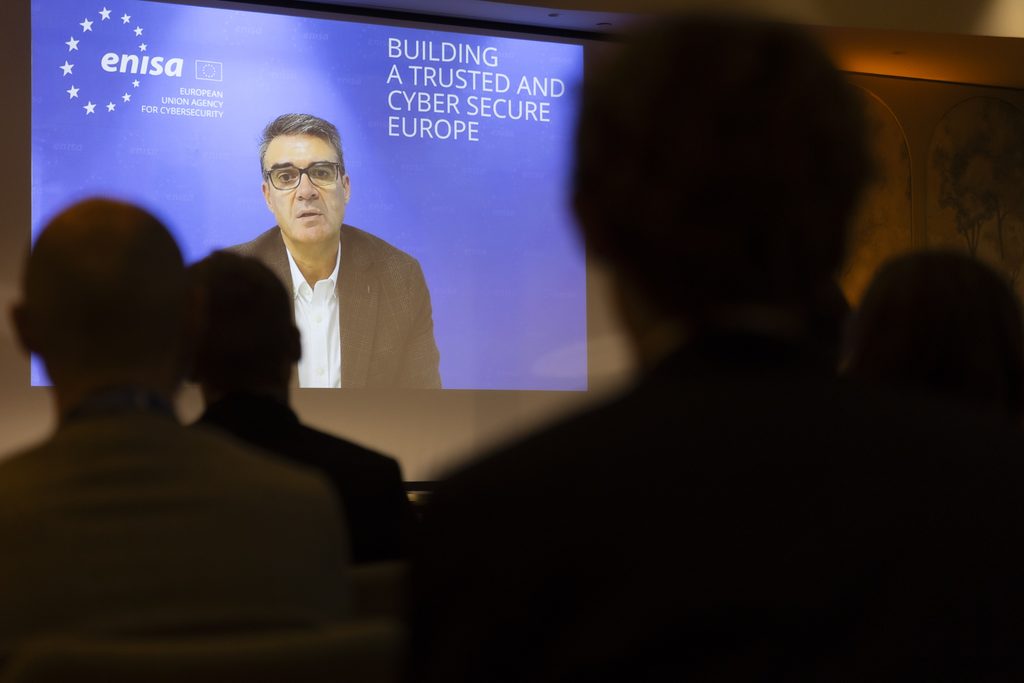
A video message from Evangelos Ouzounis, Head of Capacity Building and Skills at ENISA, marked the end of the event with a highlight on several key topics around the Europe’s evolving cybersecurity skills challenge including the need for continued cooperation between industry, education, policymakers and cybersecurity authorities and the value of connecting national cybersecurity skills ecosystems at European level, including through a common language and approaches such as the European Cybersecurity Skills Framework (ECSF).
He concluded with a forward-looking call to action: encouraging the CyberHubs partners and the wider community to maintain the networks created through the project, involve new organisations, exchange practices across countries and continue strengthening Europe’s cybersecurity skills ecosystem.
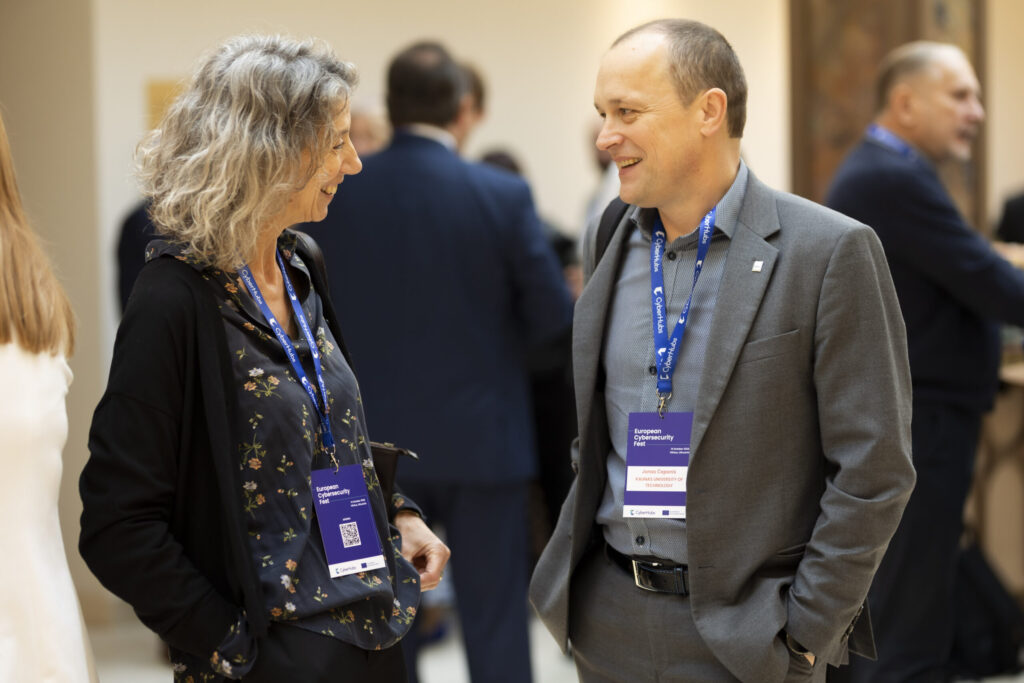
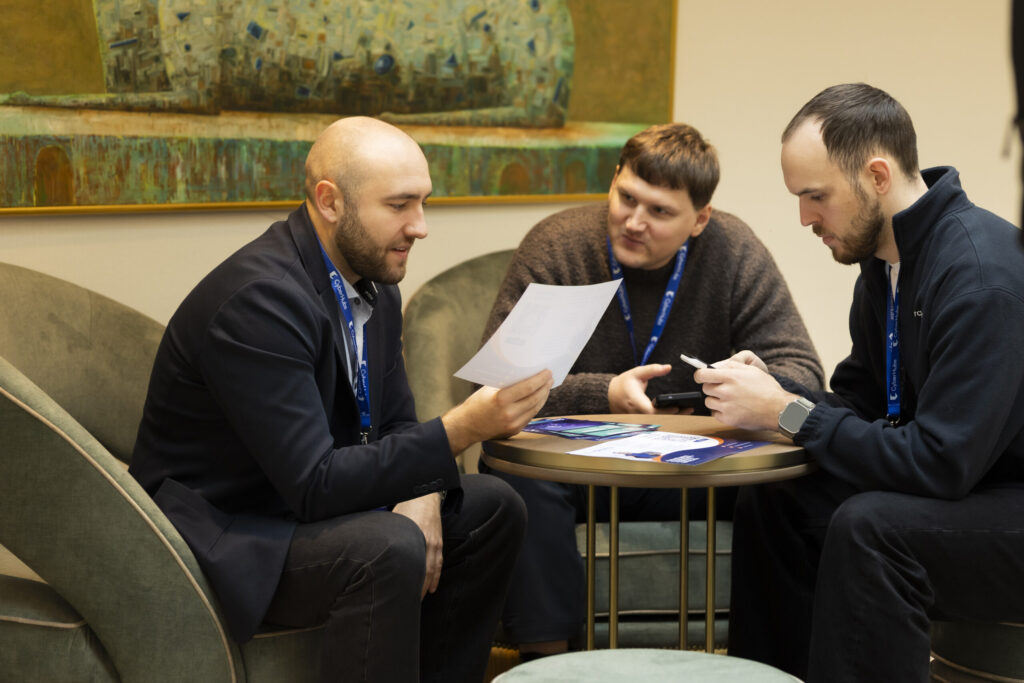
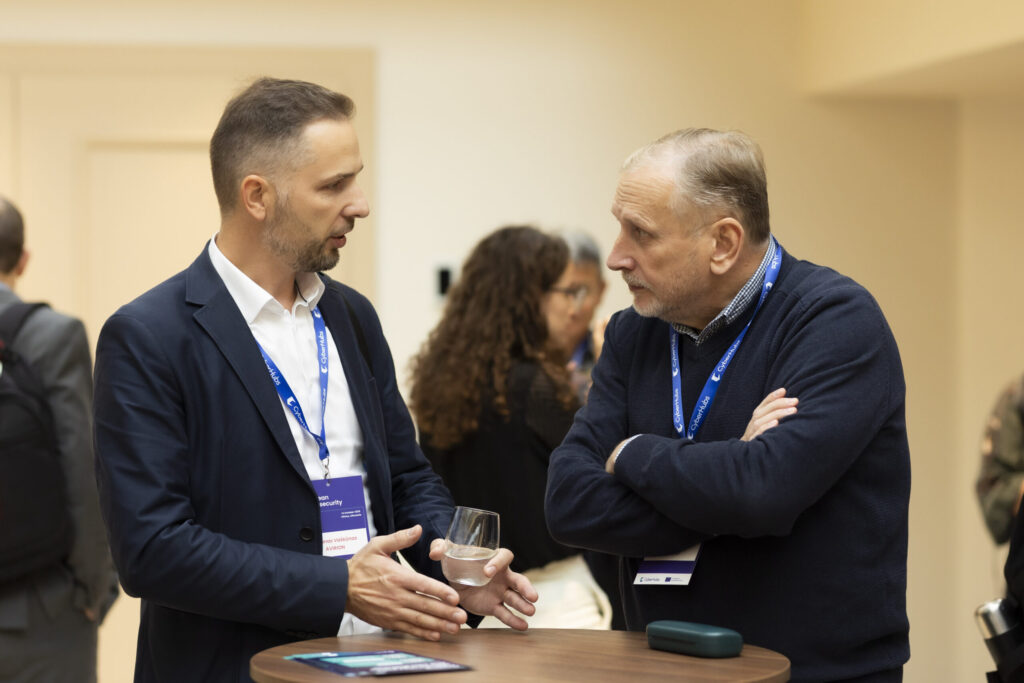
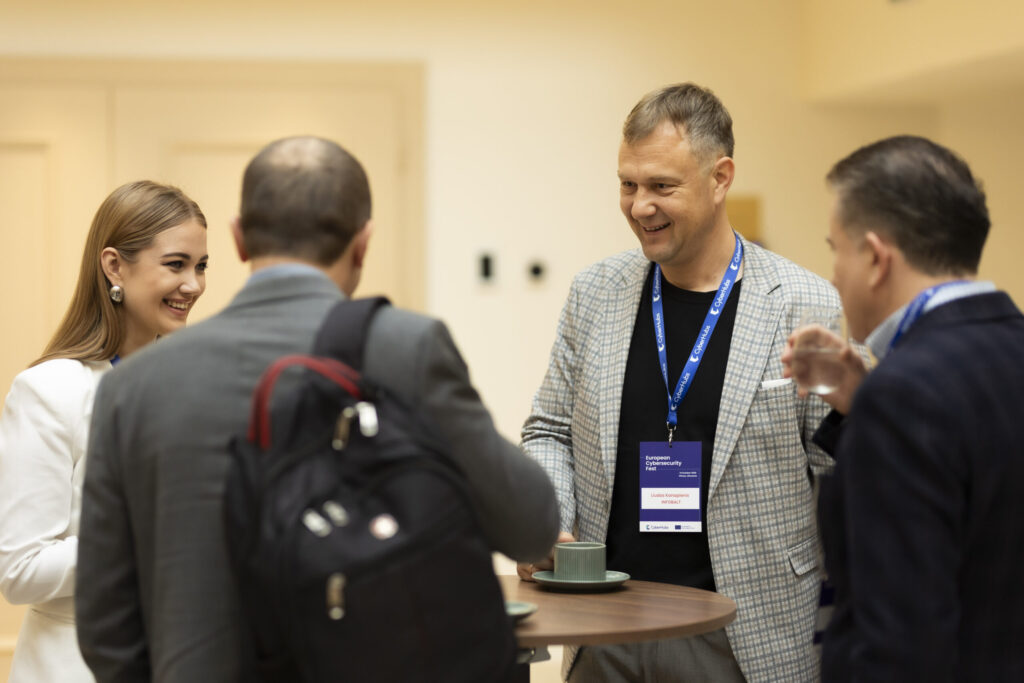
The event was concluded with a networking reception.
Thanks to all of you who joined us in Vilnius and online!




Subscribe to our newsletter
Stay updated on the project’s news, events, free resources and more.
"*" indicates required fields